
The 2026 AANM Book Award Recipients
Evelyn Shakir Non-Fiction Award
To Stand with Palestine: Transnational Resistance and Political Evolution in the United States
Karam Dana
↘
Honorable Mention · George Ellenbogen Poetry Award
HEAVEN LOOKS LIKE US: Palestinian Poetry
George Abraham and Noor Hindi, editors
↘
01/05
WINNER: Fiction Award
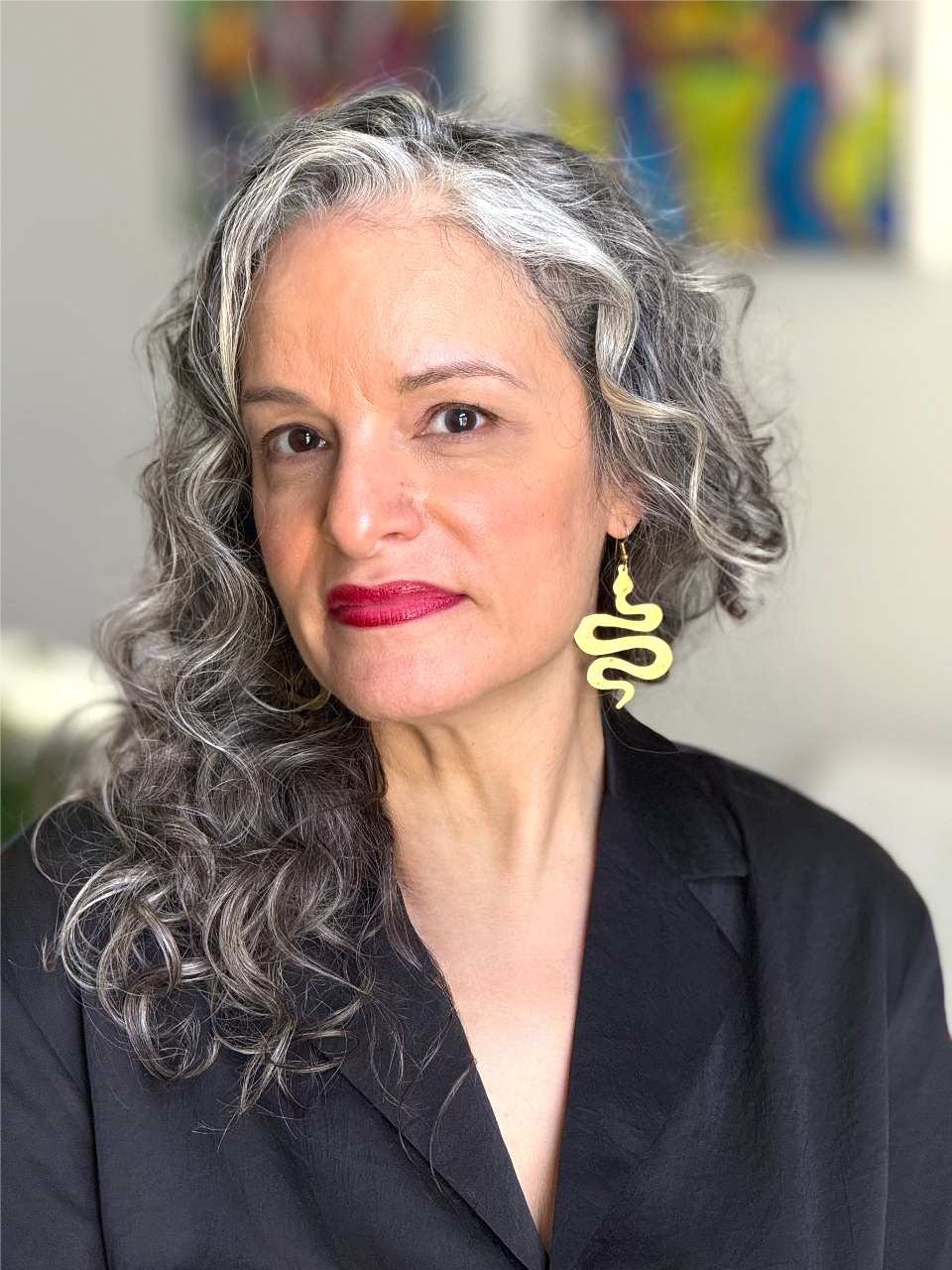
Sahar Mustafah. Photo Credit: Lamise Shawahin
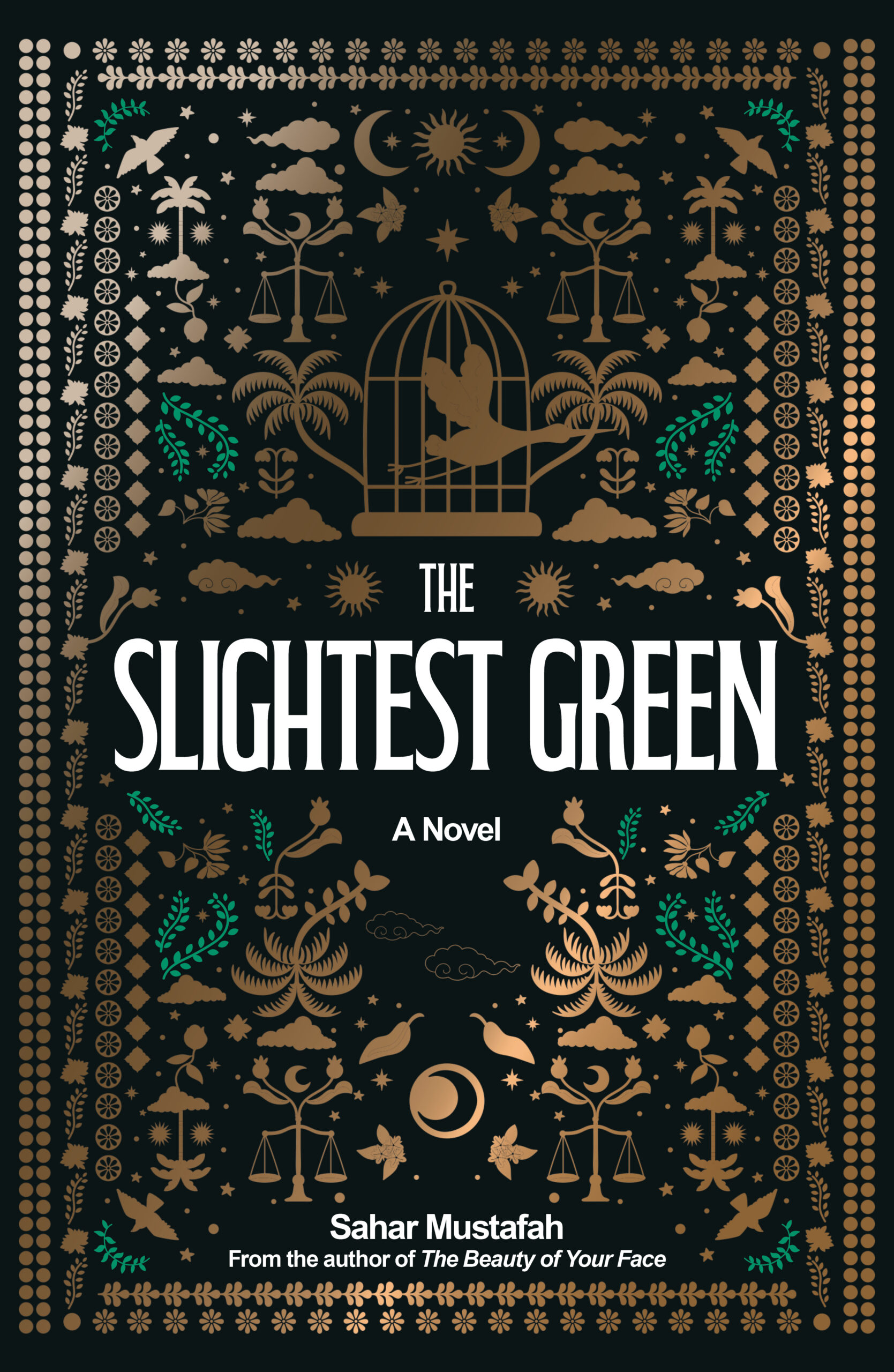
The Slightest Green
By Sahar Mustafah
Interlink Books
A moving multigenerational novel by the celebrated Palestinian American author of The Beauty of Your Face
In the middle of dinner one evening, Intisar Jaber receives a phone call that will upend her quiet life in Chicago: her father is dying and she must go to Palestine to pay her final respects. But Intisar hasn’t seen or heard from Hafez for nearly two decades, ever since he abandoned her and her mother to join the resistance.
After a fateful mission, Hafez was thrown into the notorious Gahana Prison to serve a life sentence—permanently removed from her life. As soon as Intisar arrives in his village of Bayt al-Hawa, she discovers what it means to be a stranger in her ancestral land, the inheritance of loss, and the high price of freedom.
Meanwhile, Hafez’s mother Sundus battles to save the home that she built with her husband from thieving hands. Will Intisar, her estranged granddaughter, help Sundus fight to reclaim it? Can they close the gaping distance between them before it’s too late?
Powerfully etched in Sahar Mustafah’s honest and lyrical prose, The Slightest Green explores the place—and people—we call home and how far we will go to reach them.
Readers’ and Judges’ Citation
At the heart of Sahar Mustafah’s novel The Slightest Green is the question: What constitutes home? For U.S.-born Intisar Jaber, Mustafah’s quietly powerful protagonist, the answer remains elusive until she leaves her assimilated life in Chicago and returns to Bayt al Hawa (literally: Home of the Wind) in Palestine. There she hopes to reconnect with her dying father, a naturalized U.S. citizen who chose to return to Palestine during the First Intifada and has been detained by Israel ever since for his activities then. Intisar’s journey is the immigrant’s odyssey in reverse as she grapples with her father’s legacy and what she owes to family in Palestine from whom she’s been forcibly estranged. She finds herself yearning to reconnect with a community and homeland where hope is rooted in the steadfast resistance. But she also feels the pull of her American life, and her Palestinian mother in Chicago continually insists that Palestine is so hopeless and dangerous that it could never be a real home. The Slightest Green captures this tension in prose that’s lush but precise, handling the complexities of the Jaber family’s history and present challenges with remarkable deftness. In doing so, it depicts home not as a place or a static sense of belonging, but as a lived and living reality that can and must be cultivated.
About the Author
SAHAR MUSTAFAH is the daughter of Palestinian immigrants, an inheritance she explores in her fiction. Her debut novel The Beauty of Your Face was named a 2020 Notable Book and Editor’s Choice by New York Times Book Review and one of Marie Claire Magazine’s 2020 Best Fiction by Women. It was long-listed for the Center for Fiction 2020 First Novel Prize, and was a finalist for the Palestine Book Awards. Her short story “Star of Bethlehem” was awarded the Lawrence Prize for Best Fiction in 2022, and “Tree of Life” won the 2023 Robert J. DeMott Prize. Her recent fiction is featured in Stories from the Center of the World: New Middle East Fiction and ‘The View from Gaza’ published in The Massachusetts Review. She was awarded a 2023 Jack Hazard Fellowship from New Literary Project and an Illinois Arts Council Grant. Mustafah writes and teaches outside of Chicago.
02/05
WINNER: THE GEORGE ELLENBOGEN POETRY AWARD

Hind Shoufani
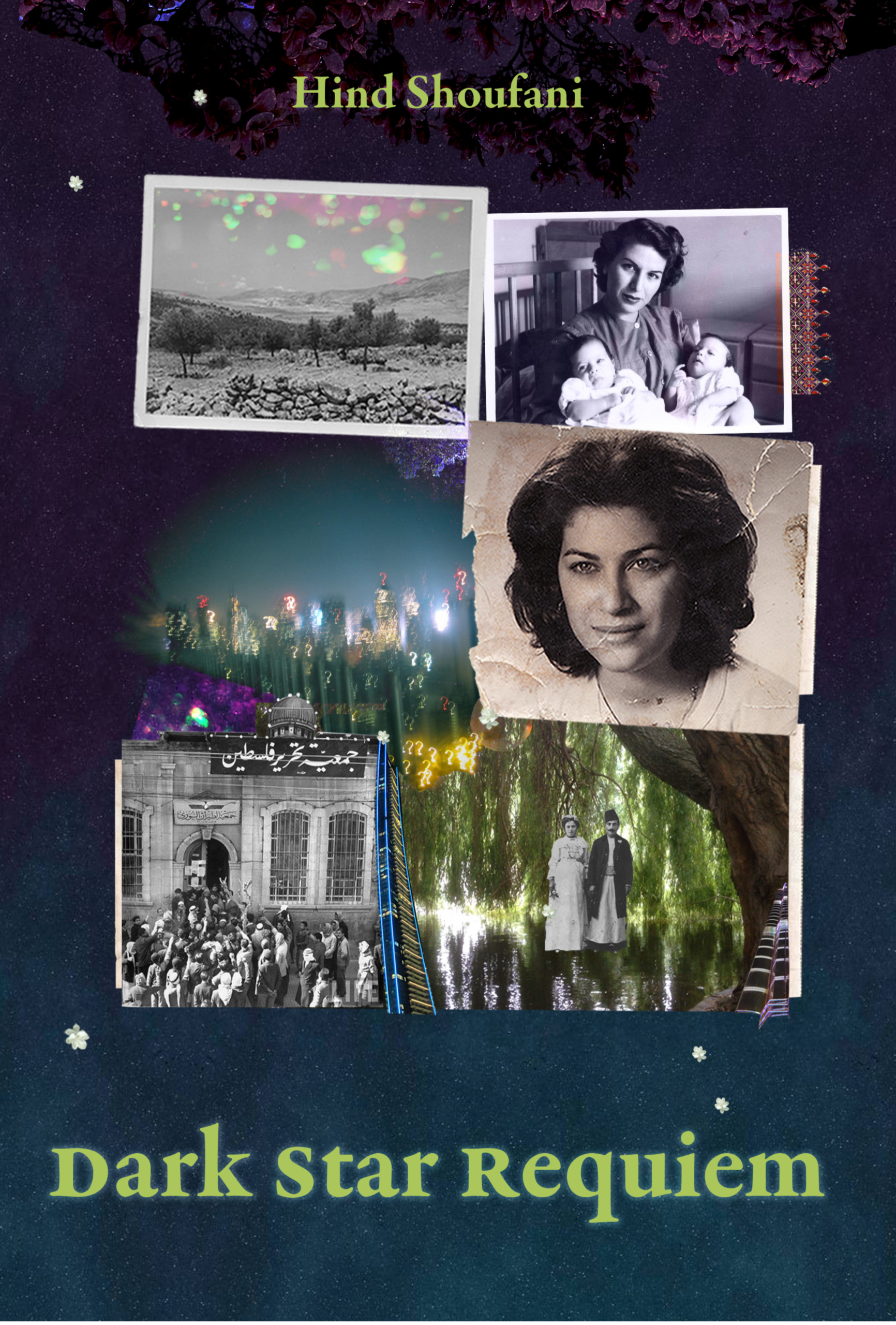
Dark Star Requiem
By Hind Shoufani
Diode Editions
A fearless and luminous collection, Dark Star Requiem is a requiem for the living; a book that mourns and celebrates in equal measure.
Shoufani, a Palestinian American poet and filmmaker, writes with breathtaking precision about exile, inheritance, desire, and the endurance of art. The poems speak to displacement and devotion, to the ache of remembering and the necessity of forgetting. They move with cinematic scope and visceral detail, carrying us from the streets of Beirut and Damascus to the subways of London and New York. They ask: What does it mean to love amid ruin? How do we speak when the world falls silent? Each poem becomes an act of witness and resistance, a reclamation of the body and the land. In Shoufani’s hands, language becomes a landscape of resistance.
This collection speaks directly to our moment of despair and insists that beauty, however fragile, still matters. In lush and exacting language, Dark Star Requiem explores how art endures when everything else is gone. It reminds us that the work of poetry is not only to mourn but to build something new in the ruins.
Readers’ and Judges’ Citation
Dark Star Requiem is quite literally a breathtaking book–one in which language steals you into its world, a dense recollection of life lived in all its beauty and abjection in the heart of empire and scattered around many Arab cities amidst ongoing genocides. At a time of Arab annihilation, these poems insist on totality and corporality—between Beirut, Damascus and elsewhere –Shoufani restitches the past, patching old memories into a collage that also accounts for the present and the future. What fuels her poems is a remarkable tension between life-grasping and life-erasing forces, made evident as the body–its skin, throat, intestines, palms–are recorded laboring, dying, or making love. The devastatingly ineffable, too, is exacted and unabridged because the imperative mood of the poems proxy action by resisting the fragment—making the struggle toward liberation one pluralized and subsumed by love as “the only poet said: my spirit of your spirit.” In Shoufani’s hands, requiem becomes mourning for the endlessly collective memories of past touches, of past pangs, of the bodies that the diasporic cosmic contains.
About the Author
HIND SHOUFANI is a Palestinian American filmmaker and writer based in New York. A Fulbright scholar and MFA graduate in Filmmaking from NYU, she was a writer-in-residence at the International Writing Program at the University of Iowa in 2011. Her film work has gained international recognition, including a BAFTA and an Academy Award nomination for the short film The Present. Over her 27-year career, she has directed, produced, and edited hundreds of documentaries and experimental films. Her feature documentary Trip Along Exodus was shown in more than 40 cities, and she recently produced the Palestinian film Heavy Metal, which premiered at the Tribeca Film Festival. Her poetry and prose have appeared in numerous international publications. For nearly two decades, she has curated Poeticians, a collective of poets and musicians performing in Beirut, Amman, Dubai, and Brooklyn. She is currently working on her second Palestinian feature film.
03/05
WINNER: THE EVELYN SHAKIR NON-FICTION AWARD
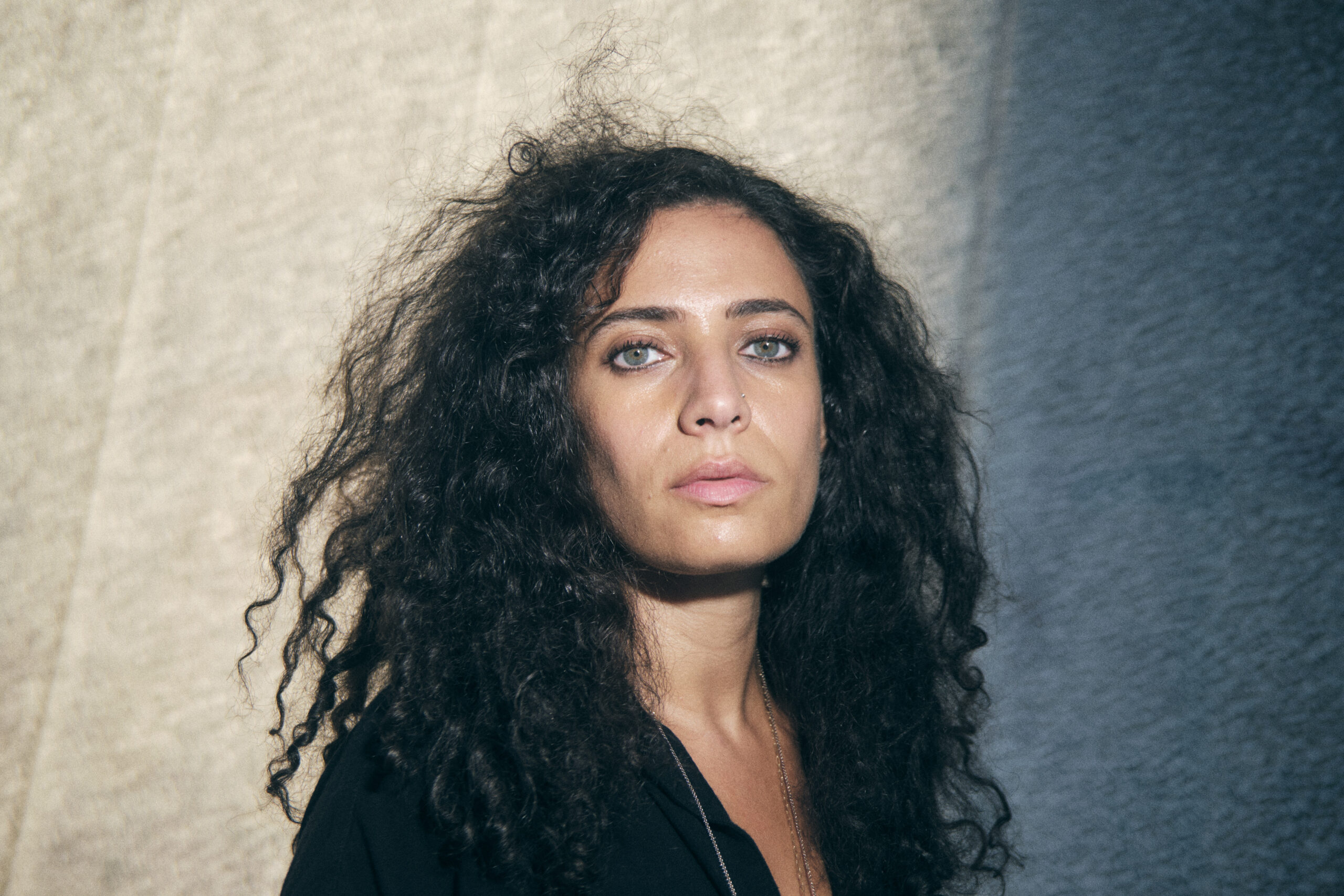
Hala Alyan. Photo Credit: Mustafa Mirza

I’ll Tell You When I’m Home
By Hala Alyan
Avid Reader Press
A stunningly lyrical and brutally honest quest for motherhood, selfhood, and peoplehood, I’ll Tell You When I’m Home is a powerful story of unraveling and becoming, of destruction and redemption, and of homelands lost and recreated.
After a decade of yearning for parenthood, years marked by miscarriage after miscarriage, Hala Alyan makes the decision to use a surrogate. In this charged time, she turns to the archetype of the waiting woman—the Scheherazade who tells stories to ensure another dawn—to confront her own narratives of motherhood, love, and inheritance.
As her baby grows in the body of another woman, in another country, Hala finds her own life unraveling—a husband who wants to leave; the cost of past traumas and addictions threatening to resurface; the city of her youth, Beirut, on the brink of crisis. She turns to family stories and communal myths: of grandmothers mapping their lives through Palestine, Kuwait, Syria, Lebanon; of eradicated villages and invading armies; of places of refuge that proved only temporary; of men that left and women that stayed; of the contradictions of her own Midwestern childhood, and adolescence in various Arab cities.
Meanwhile, as the baby grows from the size of a poppyseed to a grain of rice, then a lime, and beyond, Hala gathers the stories that are her legacy, setting down the ones that confine, holding close those that liberate. It is emotionally charged, painstaking work, but now the stakes are higher: how to honor ancestors and future generations alike in the midst of displacement? How to impart love for those who are no longer here, for places one can no longer touch?
Readers’ and Judges’ Citation
This memoir takes as its starting point the excavation of personal history but becomes an act of sacred invocation as it calls forth the people, places, and stories that are inextricable from any singular investigation of “self." Here, Alyan masterfully weaves multi-layered narratives across time, space, and history to draw out the larger connective tissue that binds a lineage of women intergenerationally, and the Palestinian/SWANA diasporas more generally. Through stories that refuse neat packaging, Hala Alyan examines love, loss, leave-taking, motherhood, sexuality, and displacement with artistry, rawness, and tenderness. The poetic precision and cyclic quality of the telling is—like 1001 Nights from which it draws—incantatory, and it sweeps readers up in its magic even as it unsettles in the best sense. By its end, I'll Tell You When I'm Home offers readers an opportunity to interrupt staid notions around genre and propriety, and it insists on the impossibility of divorcing the individual from shared history: familial, communal, and cultural.
About the Author
HALA ALYAN is the author of the novels Salt Houses—winner of the Dayton Literary Peace Prize and the Arab American Book Award, and a finalist for the Chautauqua Prize—and The Arsonists’ City, a finalist for the Aspen Words Literary Prize. She is also the author of five highly acclaimed collections of poetry, including The Twenty-Ninth Year and The Moon That Turns You Back. Her work has been published by The New Yorker, The Academy of American Poets, The New York Times, The Guardian, and Guernica. She lives in Brooklyn with her family, where she works as a clinical psychologist and professor at New York University.
04/05
WINNER: THE EVELYN SHAKIR NON-FICTION AWARD
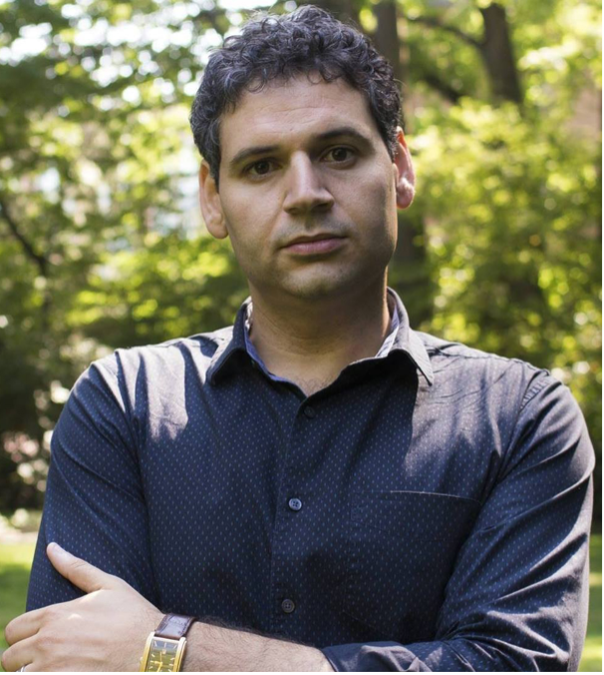
Karam Dana
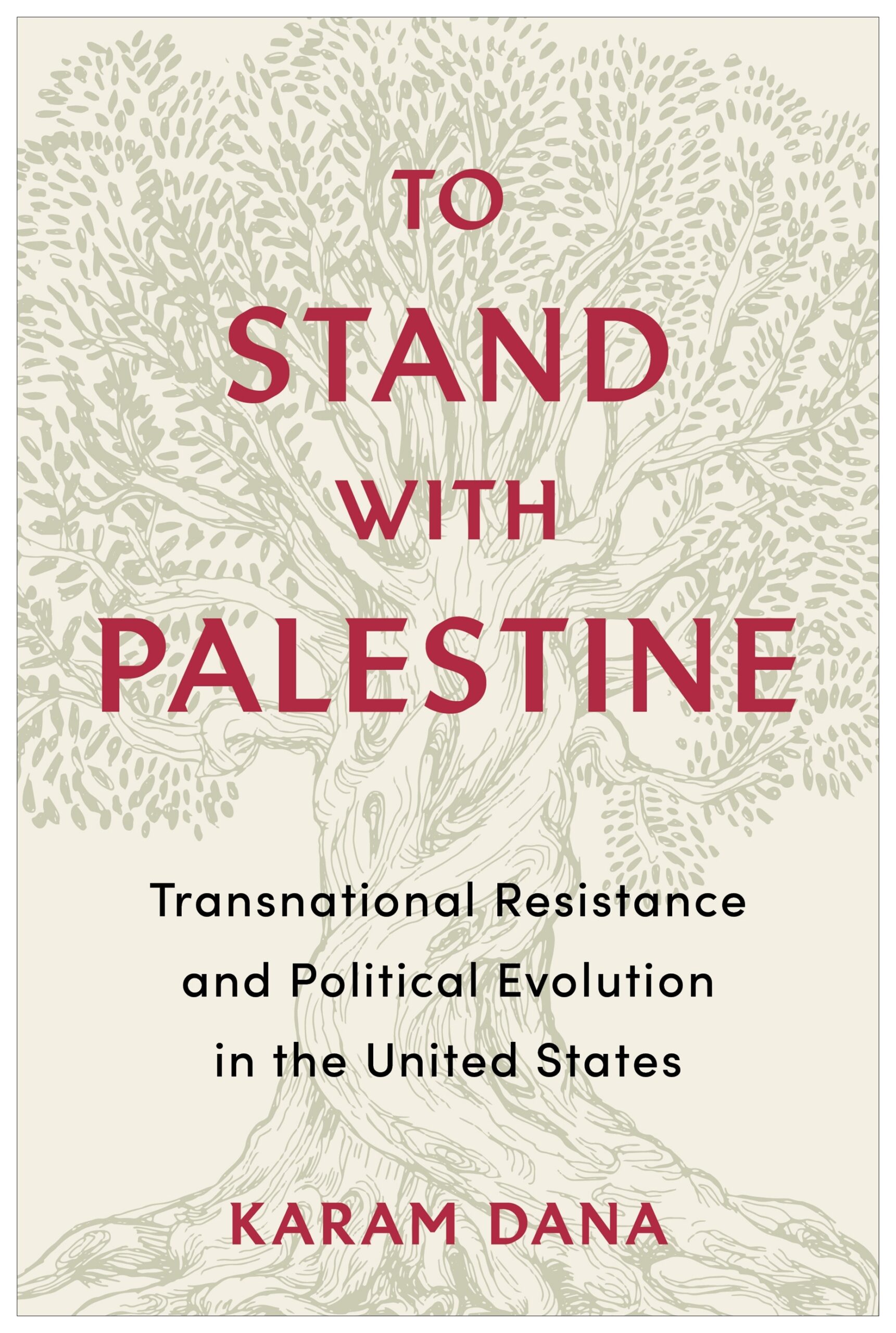
To Stand With Palestine
By Karam Dana
Columbia University Press
Timely and insightful, To Stand with Palestine offers an inside look at how Palestinians have shared their story with the world and why sympathy for their plight is growing, with significant implications for the global political landscape.
In recent years, attitudes in the United States toward the Palestinian cause have shifted dramatically. Although Palestinians have long been demonized in U.S. media and politics, their struggle portrayed as illegitimate, emergent progressive voices increasingly challenge the status quo on Israel and Palestine and express solidarity with Palestinian resistance. What accounts for this change and its evolution?
This book provides a new lens on activism around Palestinian issues, demonstrating how the global Palestinian diaspora has driven transnational political movements. Karam Dana explores the ways that exile has shaped Palestinian identity and allowed for new forms of global activism. He examines the social, political, economic, and technological forces that have created space for Palestinian voices to be heard by wider audiences worldwide. Drawing on interviews with scholars and advocates—including members of the Palestinian diaspora and Jewish American activists—as well as public opinion data and media analysis, Dana traces how global Palestinian communities have influenced American views. He addresses the backlash against pro-Palestinian advocacy but argues that solidarity with Palestinians—both in the United States and globally—will continue to strengthen.
Readers’ and Judges’ Citation
This book charts a transnational history of recent efforts by Palestinians to gain visibility within American media and popular culture, as well as political, educational, legal and other institutions. While documenting the structural challenges historically faced by Palestinians and their allies, the book also charts how activists and advocates have radically transformed American perceptions of Palestine and shifted public consensus in support of the Palestinian struggle for justice and liberation. This book provides an essential resource for understanding how U.S. state policies develop in relation to growing popular movements of solidarity.
About the Author
KARAM DANA is the Alyson McGregor Distinguished Professor of Excellence and Transformative Research and the founding director of the American Muslim Research Institute at the University of Washington Bothell.
05/05
WINNER: CHILDREN’S AWARD
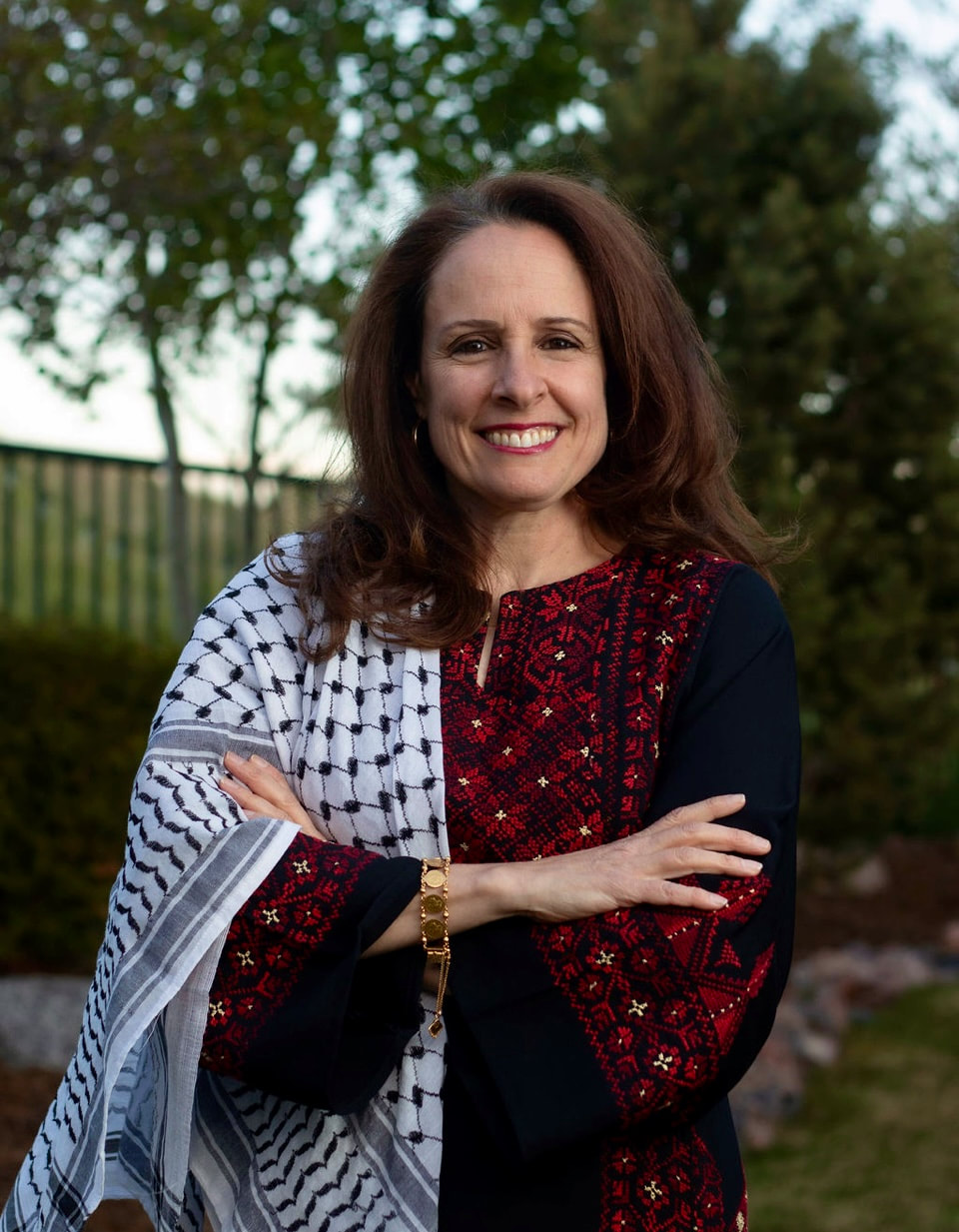
Safa Suleiman
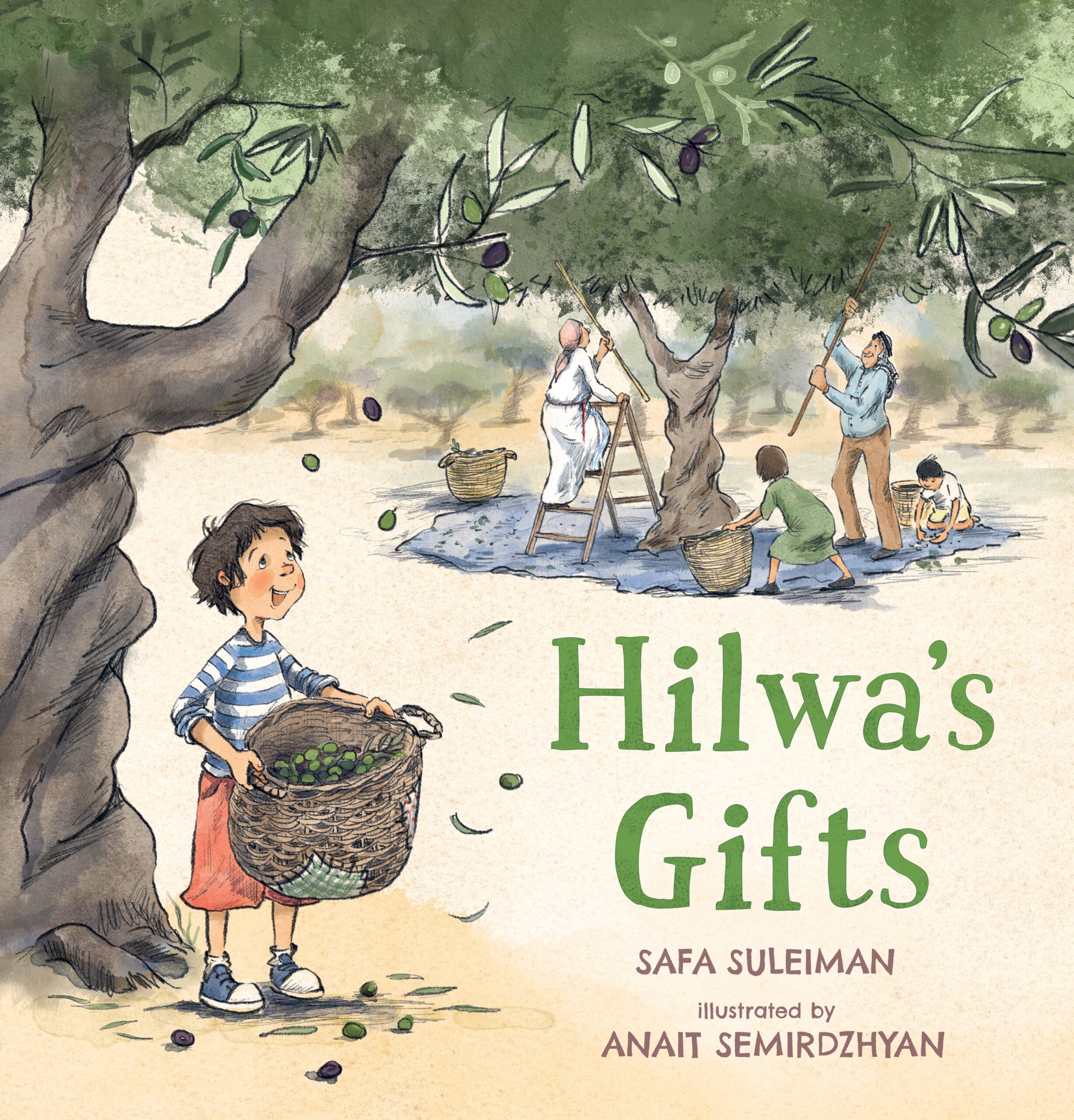
Hilwa’s Gifts
By Safa Suleiman
Candlewick Press
A heartwarming picture-book debut brings a tradition many thousands of years old—harvesting and pressing olives into oil—vividly to life, showing how customs unite us across time and space.
Ali has arrived in Palestine for a visit just in time for the olive harvest. His grandfather, Seedo, and Hilwa—his favorite tree—greet him in the grove, where Seedo explains that Hilwa has many gifts to share. Other family members whack the trees’ branches with sticks, singing “Zaytoon, ya zaytoon” while cousins clap and dance and happily pick up fallen olives. (Luckily, a gentle whack is all it takes for Hilwa’s fruits to rain down!) The next day, at the olive press, Ali watches the drip of gold liquid into a can, another of Hilwa’s gifts. Later, they picnic under the tree’s branches with hot mint tea, pita, and delicious olive oil swirled on hummus. Tradition is the greatest gift of all: the family gathering—generation after generation—to celebrate a bountiful harvest. Dynamic illustrations and a graceful text peppered with Arabic words, plus a glossary and author’s note, make for an intimate picture-book debut about a child discovering his heritage.
Readers’ and Judges’ Citation
This gratifying story deftly weaves the experience of a child’s return home to Palestine, with an understanding of the importance olive trees play in Palestinian families’ lives. The glossary and author’s note add more information for curious readers, and the friendly, airy illustrations share the gladness of this traditional harvest. Ali’s concern for how Hilwa is treated, the playfulness and spark shown in his grandparents’ eyes, and the warm feeling of love that surround this extended family all radiate positive aspects of Arab culture in this joyous, superlative book.
About the Author
SAFA SULEIMAN is a Palestinian American educator with more than twenty years of experience in undergraduate and elementary school pedagogy. She now focuses on writing and teaching through storytelling centering the Palestinian and the American Muslim communities. Hilwa’s Gifts is her first book. She lives with her family in Colorado on the homeland of the Ute Nation.
HM 01/03
HONORABLE MENTION: THE GEORGE ELLENBOGEN POETRY AWARD
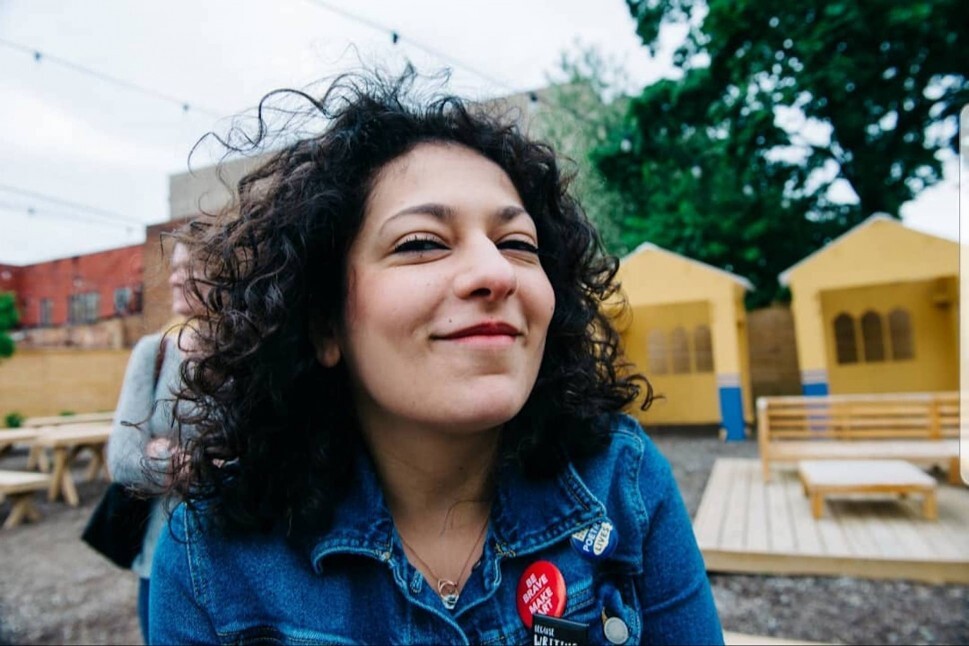
Noor Hindi. Photo Credit: Ilenia Pezzaniti

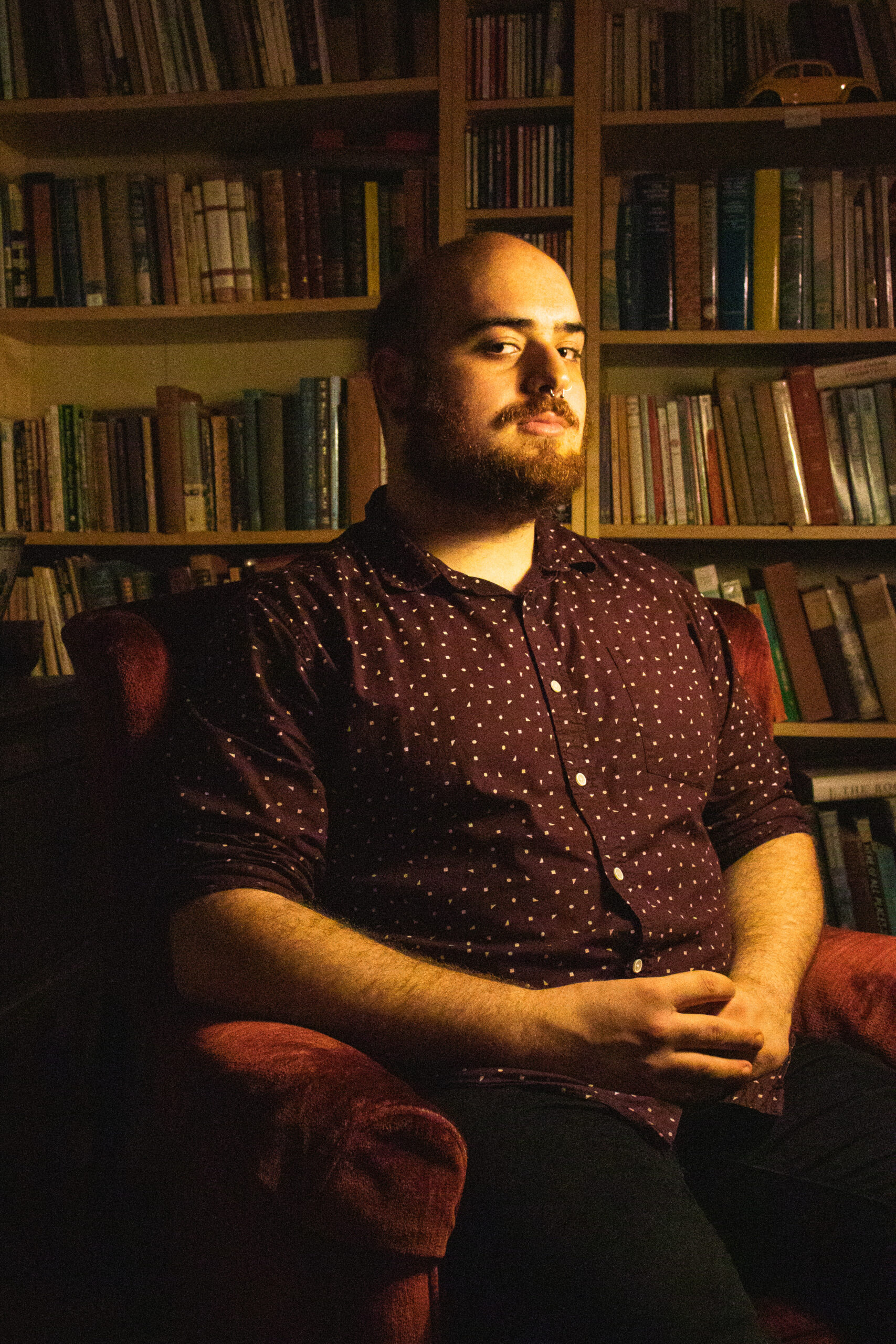
George Abraham
HEAVEN LOOKS LIKE US
Edited By George Abraham and Noor Hindi
Haymarket Books
HEAVEN LOOKS LIKE US is a battle-cry against the annihilation of a people.
As Palestinian history remains haunted by exile, violence, and grief, so, too, are the poems in this anthology. And yet, editors George Abraham and Noor Hindi present these realities alongside other themes that are also true: queer and feminist perspectives, eco-poetry, meditations on love and time, and lineages of protest. This anthology dares to imagine a future beyond a nation-state for Palestinian people everywhere. Contributors include Refaat Alareer, Mahmoud Darwish, Naomi Shihab Nye, Mohammed El-Kurd, A.D. Lauren-Abunassar, Lena Khalaf Tuffaha, Hala Alyan, Fady Joudah, and Heba Abu Nada, and many other voices, both established and ascending.
About the Editors
GEORGE ABRAHAM is a Palestinian-American poet and memoirist who was born on unceded Timucuan lands (Jacksonville, FL). They are the author of Birthright (2020), which won the Arab American Book Award. They are currently executive editor of Mizna and teach at Amherst College.
NOOR HINDI (she/her/hers) is a Palestinian-American poet and reporter. She is a 2021 Ruth Lilly and Dorothy Sargent Rosenberg Poetry Fellow. Dear God. Dear Bones. Dear Yellow is her debut collection of poems. She lives in Dearborn.
HM 02/03
HONORABLE: THE EVELYN SHAKIR NON-FICTION AWARD

Sarah Aziza. Photo Credit: Natasha Jahchan
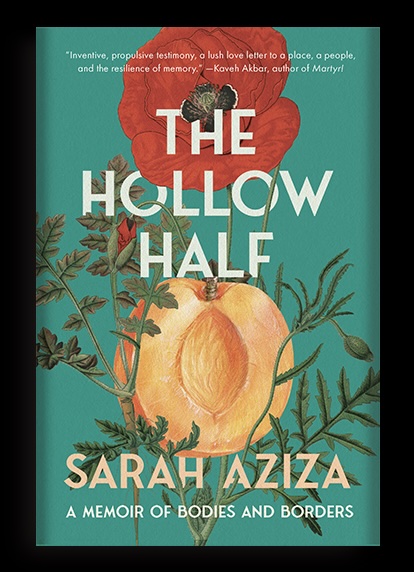
The Hollow Half: A Memoir of Bodies and Borders
By Sarah Aziza
Catapault
Blazing with honesty, urgency, and poetry, this stunning debut memoir is a fearless call to imagine both the self and the world anew.
A brush with death. An ancestral haunting. A century of family secrets. Sarah Aziza’s searing, genre-bending memoir traces three generations of diasporic Palestinians from Gaza to the Midwest to New York City—and back.
“You were dead, Sarah, you were dead.” In October 2019, Sarah Aziza, daughter and granddaughter of Gazan refugees, is narrowly saved after being hospitalized for an eating disorder. The doctors revive her body, but it is no simple thing to return to the land of the living. Aziza’s crisis is a rupture that brings both her ancestral and personal past into vivid presence. The hauntings begin in the hospital cafeteria, when a mysterious incident summons the familiar voice of her deceased Palestinian grandmother.
In the months following, as she responds to a series of ghostly dreams, Aziza unearths family secrets that reveal the ways her own trauma and anorexia echo generations of violent Palestinian displacement and erasure—and how her fight to recover builds on a century of defiant survival and love. As she moves towards this legacy, Aziza learns to resist the forces of colonization, denial, and patriarchy both within and outside her.
Weaving timelines, languages, geographies, and genres, The Hollow Half probes the contradictions and contingencies that create “nation” and “history.”
About the Author
SARAH AZIZA is a Palestinian American writer, translator, and artist with roots in ‘Ibdis and Deir al-Balah, Gaza. The recipient of a Fulbright fellowship and numerous grants from the Pulitzer Center for Crisis Reporting, she has lived and worked in Saudi Arabia, Algeria, Jordan, South Africa, the West Bank, and the United States. Her award-winning journalism, poetry, essays, and experimental nonfiction have appeared in The New Yorker, The Baffler, Harper’s Magazine, Mizna, Lux, The Washington Post, The Intercept, The Rumpus, NPR, The Margins, and The Nation, among other publications.
HM 03/03
HONORABLE: THE EVELYN SHAKIR NON-FICTION AWARD
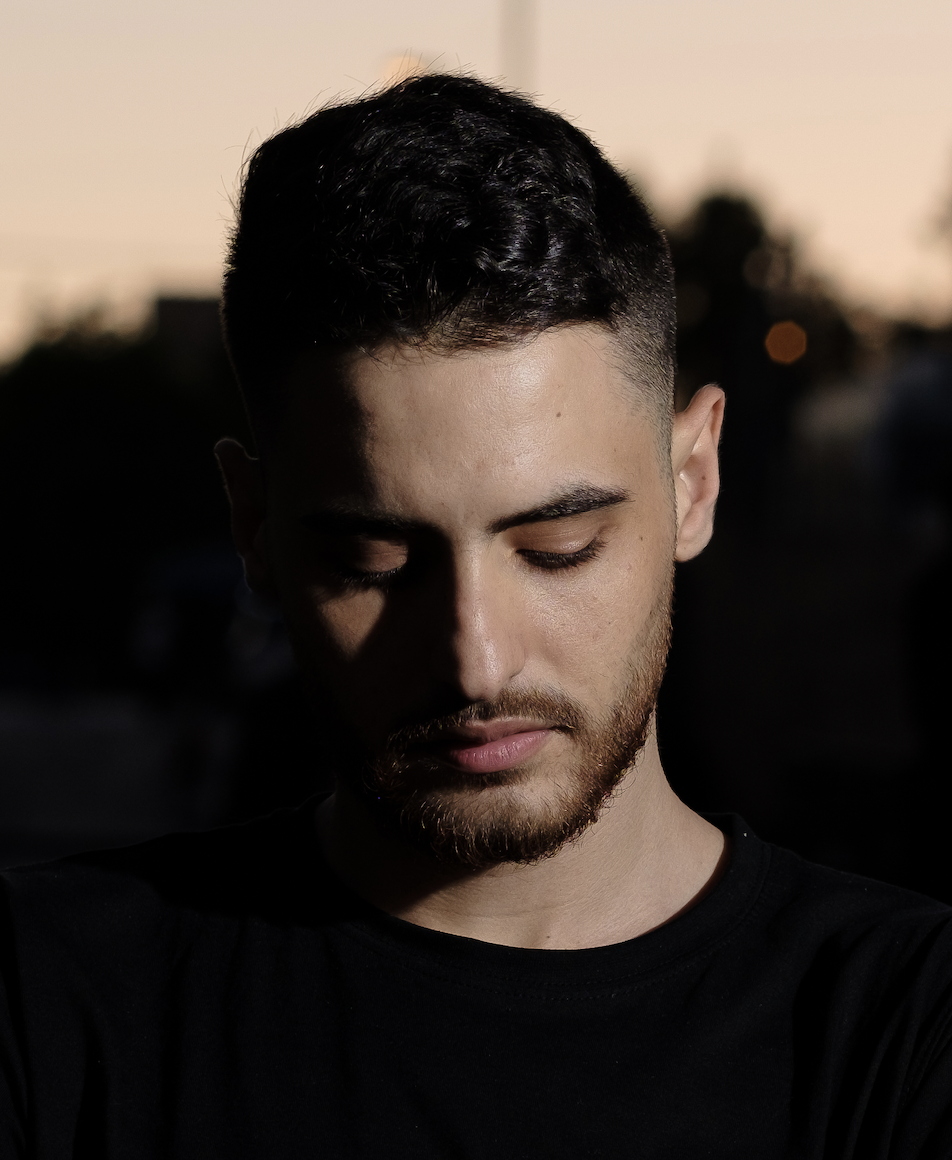
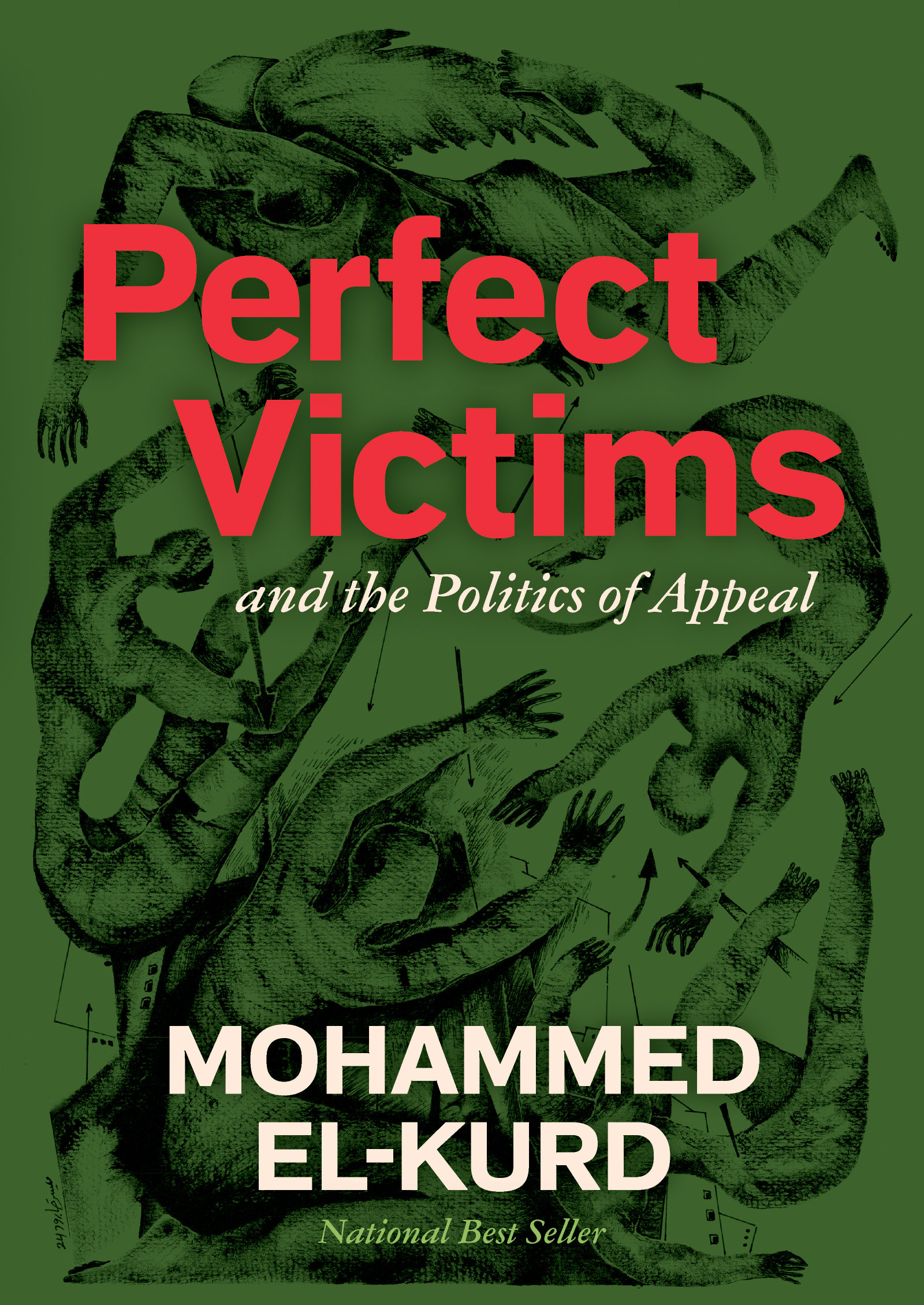
Mohammed El-Kurd
Perfect Victims and the Politics of Appeal
By Mohammed El-Kurd
Haymarket Books
Masterfully combining candid testimony, history, and reportage, Perfect Victims presents a powerfully simple demand: dignity for the Palestinian.
Palestine is a microcosm of the world: on fire, stubborn, fragmented, dignified. While a settler colonial state continues to inflict devastating violence, fundamental truths are deliberately obscured—the perpetrators are coddled while the victims are blamed and placed on trial.
Why must Palestinians prove their humanity? And what are the implications of such an infuriatingly impossible task? With fearless prose and lyrical precision, Mohammed El-Kurd refuses a life spent in cross-examination. Rather than asking the oppressed to perform a perfect victimhood, El-Kurd asks friends and foes alike to look Palestinians in the eye, forgoing both deference and condemnation.
How we see Palestine reveals how we see each other; how we see everything else.
About the Author
MOHAMMED EL-KURD is an internationally touring and award-winning poet, writer, journalist, and organizer from Jerusalem, occupied Palestine. In 2021, He was named as one of the 100 most influential people in the world by TIME Magazine. He is best known for his role as a co-founder of the #SaveSheikhJarrah movement. Currently, El-Kurd serves as the first-ever Palestine Correspondent for The Nation. El-Kurd holds an MFA in Creative Writing from Brooklyn College (CUNY) and a BFA in Writing from Atlanta’s Savannah College of Art & Design (SCAD). He is the recipient of numerous honors and awards, including the Arab American Civil Council’s “Truth in Media” Award (2022), as well as the Cultural Freedom Fellowship from the Lannan Foundation (2023). He is currently a Civic Media Fellow at the Annenberg Innovation Lab at the University of Southern California.